
13 Mar The Origin of Durian: How Malaysia’s King of Fruits Conquered the World
The Origin of Durian: How Malaysia’s King of Fruits Conquered the World
By Top Fruits Team | March 13, 2026
Durian isn’t just any fruit—it’s the King of Fruits. Its creamy flesh, pungent aroma, and premium varieties like Musang King and Black Thorn have won fans around the world.
But before it became a luxury indulgence, durian was a wild fruit thriving in the rainforests of Borneo and Sumatra.
Understanding its origin explains why Malaysian durian is so prized, why some varieties can’t be replicated elsewhere, and how centuries of culture, climate, and cultivation created the premium fruit we know today.
Where Durian First Grew
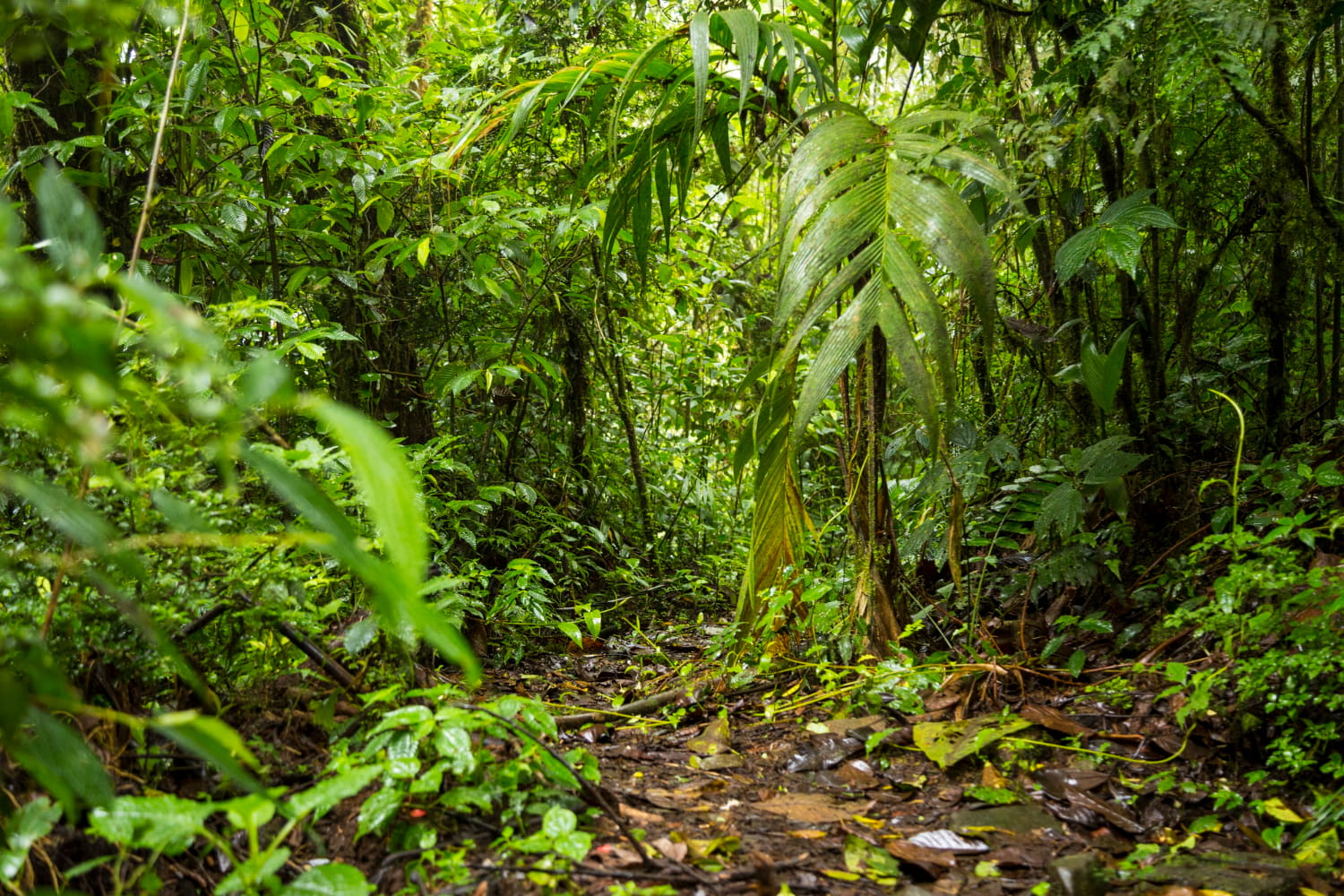
Image sourced from Freepik
Durian’s story begins in the dense, humid rainforests of Malaysian Borneo and Sumatra.
Fossil evidence and botanical studies indicate that most of the 30+ species of the Durio genus first evolved here.
These forests offered the perfect environment: nutrient-rich soil, high rainfall, and complex ecosystems that supported pollinators and seed dispersers like bats and civets.
Even today, wild durians exist in Sabah and Sarawak. Unlike the cultivated premium varieties, wild durians are smaller, more bitter, and have a stronger odor, but their genetic diversity is invaluable.
Modern cultivars like Musang King trace their DNA (Deoxyribonucleic acid) back to these wild ancestors, giving Malaysian durian a flavor complexity and resilience that cannot be replicated elsewhere.
Fun fact: Malaysian durian is unique. Even if another country mimics the climate, the combination of original biodiversity and hundreds of years of cultivation knowledge cannot be reproduced.
The Indigenous Connection
Durian has been part of human life in Malaysia for centuries. The Orang Asli in Peninsular Malaysia and the Dayak in Borneo were the first to harvest and consume durian.
They perfected rituals for selecting ripe fruit, often listening for the sound of the fruit falling, smelling it for subtle fragrance changes, and observing wildlife activity around durian trees.
These communities also practiced early grafting techniques, selecting superior trees over generations and passing down knowledge orally. Durian was more than food—it featured in ceremonies, traditional medicine, and local folklore, shaping cultural identity.
Today, many Malaysian orchards honor these traditions, blending indigenous wisdom with modern agricultural science.
How Durian Got Its Name
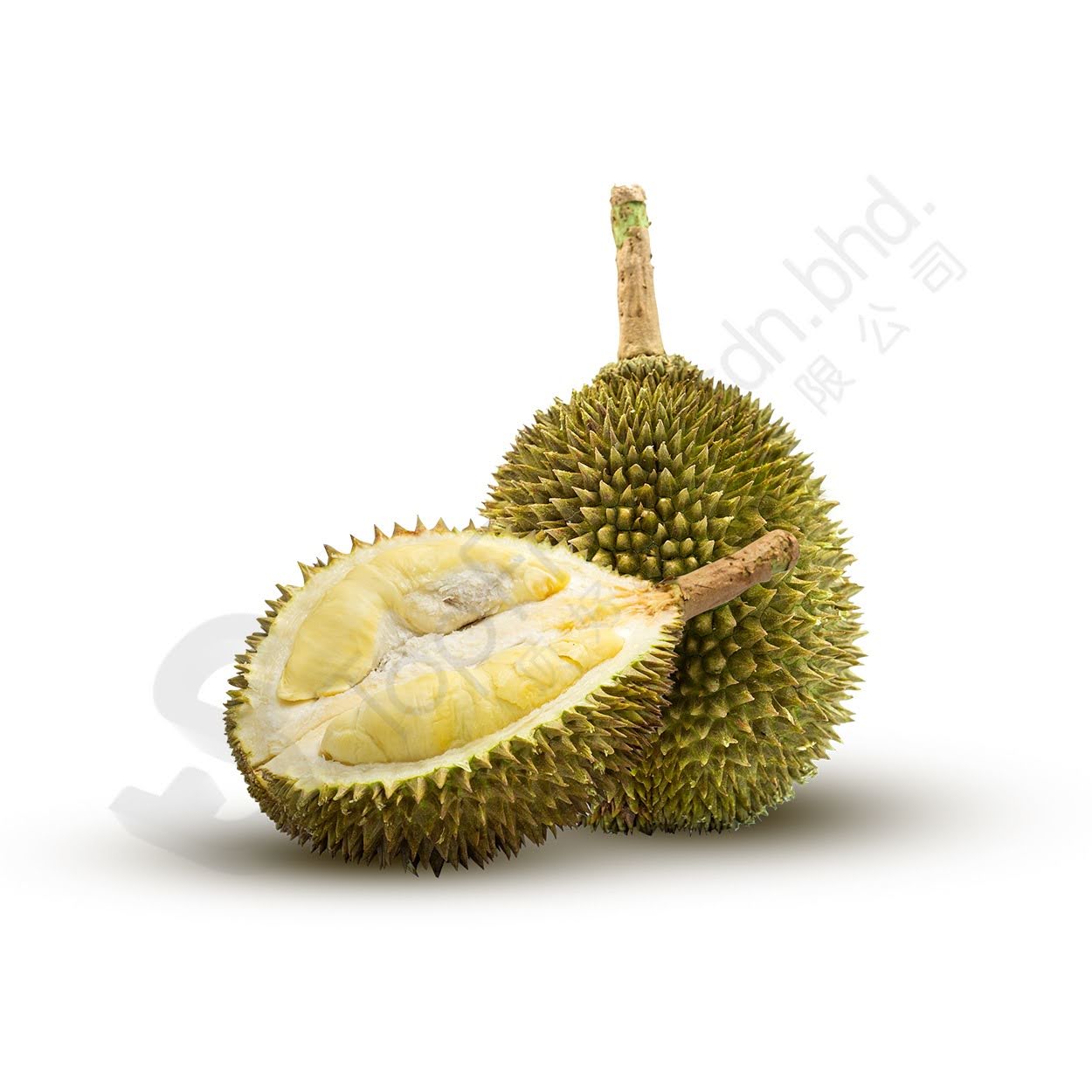
D198 Golden Phoenix durian from Top Fruits
The word “durian” comes from the Malay word “duri”, meaning thorn, reflecting the spiky exterior that protects the fruit in the wild.
Across Malaysia, different regions have their own local names and dialect variations, reflecting durian’s deep cultural presence.
Historical records trace durian back to the 15th-century Malacca Sultanate, where it was mentioned in royal texts and trade documents. It earned the title “raja segala buah”, or King of Fruits, a name that persists today.
Traders carried durian throughout the Malay Archipelago, long before Europeans arrived, making Malaysia a key hub for durian commerce and cultural exchange.
European Encounters
When the Portuguese reached Malacca in 1511, they were among the first Europeans to taste durian. Dutch and British colonial records later documented the fruit, while botanists like Carl Linnaeus gave it a scientific name: Durio zibethinus.
Despite this attention, durian didn’t succeed in European cultivation. It thrived only in Southeast Asia, relying on local climate and traditional knowledge to develop its signature flavors.
Colonial infrastructure, however, helped lay the foundation for modern durian export systems.
Malaysia’s Premium Varieties
While colonial records introduced durian to the wider world, its true transformation happened closer to home. The 20th century marked the shift from wild collection to organized orchards.
Malaysian agricultural research combined with local expertise gave rise to premium varieties:
- D24: Known for mild aroma and longer shelf-life.
- Musang King: Discovered in Gua Musang, dense golden flesh, bitter-sweet taste.
- Black Thorn: Creamy, fast-ripening, highly prized for dessert-quality flesh.
To protect authenticity, Malaysia introduced Geographical Indication (GI) protection and DNA registration, ensuring that international buyers can trust they’re getting genuine Malaysian durians.
| ✨Tips: Look for GI or DNA-certified durians—this guarantees the fruit’s heritage and premium quality. |
Why Durian Stayed Regional for Centuries
For centuries, durian was loved locally but rarely traded far. Unlike spices, it ripens quickly, bruises easily, and has a strong aroma that made long-distance transport difficult before modern refrigeration.
As a result, durian was traditionally eaten close to where it was grown, remaining a regional delicacy rather than a global product.
What changed everything was freezing technology.
By preserving durian at peak ripeness, Malaysia made it possible to export the fruit without losing its signature flavor—opening the door for durian to finally reach the world.
From Regional Delicacy to Global Luxury
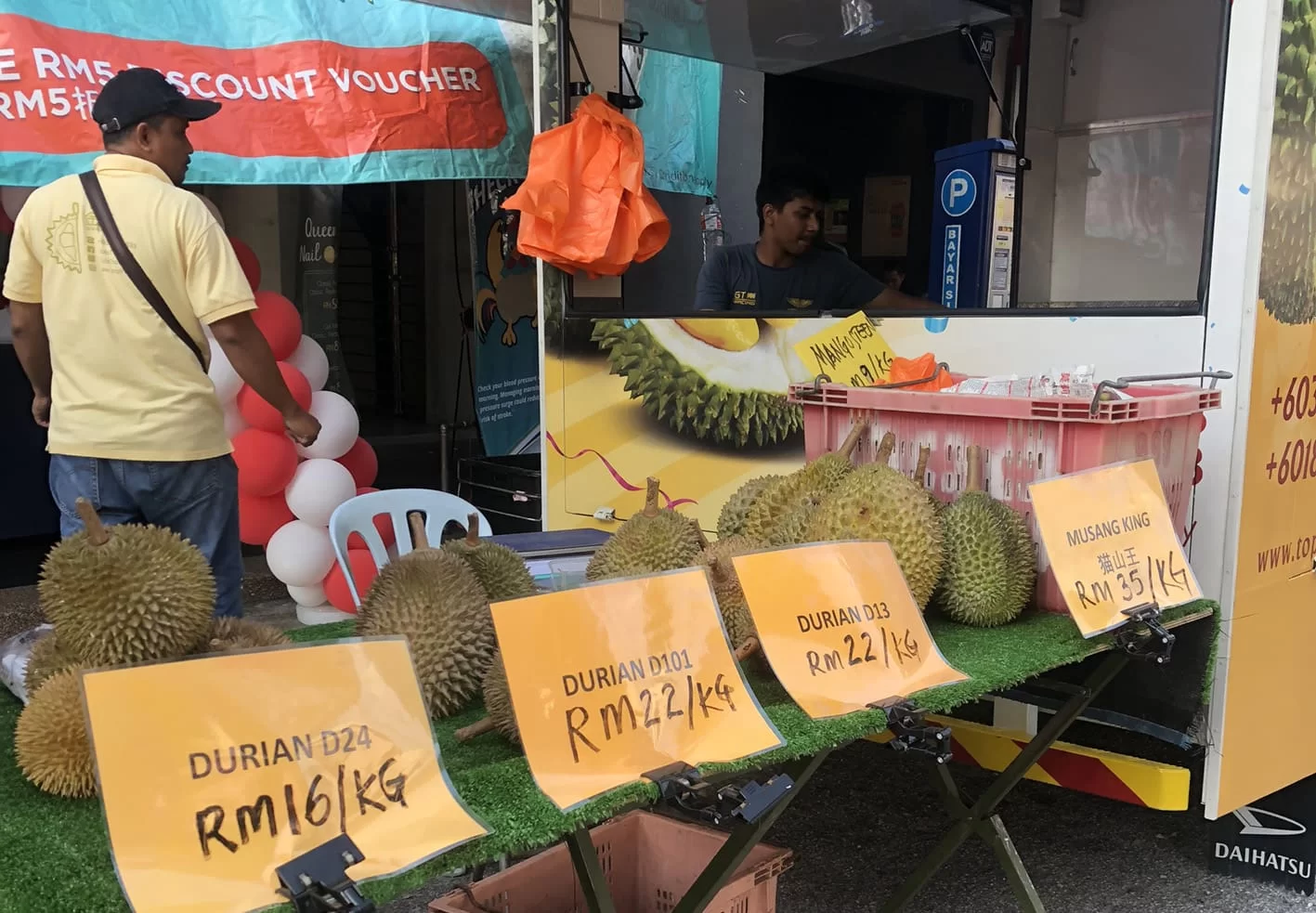
Image from Big Pharmacy Durian Event 2019
Malaysia didn’t just cultivate durian—it helped shape how the fruit is grown and valued across the region.
In the 1960s and 1970s, Malaysian experts shared grafting and cultivation techniques that influenced early commercial orchards in neighboring countries, including Thailand.
Over time, different paths emerged: while some producers focused on high-volume output, Malaysia doubled down on flavor, heritage, and distinct cultivars such as Musang King and Black Thorn.
The real turning point came with China. In 2011, Malaysia exported its first durian to the Chinese market, and by 2019, approval for whole frozen durians transformed the industry.
Freezing allowed Malaysian durians to reach global consumers at peak ripeness without sacrificing quality.
As a result, Malaysian durian became associated with luxury, depth of taste, and authenticity, while other markets supplied volume.
By prioritizing quality over quantity, Malaysia positioned its durian not just as a fruit, but as a world-class delicacy rooted in origin and tradition.
Why Origin Matters
Durian, like wine, coffee, or chocolate, is deeply influenced by its origin. Malaysian durians benefit from:
- Access to original genetic diversity
- Ideal tropical climate and volcanic soil
- Century-spanning cultivation knowledge
- Multi-generational family orchards
Even when planted elsewhere, varieties like Musang King rarely match the taste and texture of the Malaysian original.
For durian, origin is flavor, history, and culture all in one bite.
Top Fruits: A Pioneer in the Durian Game
Understanding durian’s origin helps you appreciate why Malaysia remains the King of Fruits’ home. From wild forests to indigenous wisdom, colonial trade to modern premium varieties, each durian tells a story of heritage, care, and flavor.
When you bite into a Musang King or Black Thorn, you’re tasting centuries of evolution, culture, and innovation—all packed into one creamy, fragrant fruit.
Celebrating decades of expertise, Top Fruits has helped shape Malaysia’s premium durian scene—trusted by farmers, sellers, and durian lovers worldwide.
From fresh durians and frozen durians to seedless pulp, Top Fruits delivers quality you can trust. We also offer plantation consultation services, supporting farmers and businesses in cultivating Malaysia’s finest durians.
Check out our online store to fulfill your durian needs!
FAQ
Why are some Malaysian states better for durian than others?
Soil, climate, and historical cultivation practices make certain states—like Pahang, Kelantan, and Perak—ideal for premium durians.
Can Malaysian durian be grown elsewhere?
While possible, replicating the exact flavor and quality is extremely difficult due to soil, climate, and local biodiversity.
How did Musang King get its name?
It was discovered in Gua Musang. “Musang” means civet, reflecting both the region and the local wildlife that helped disperse seeds.
Were there ancient Malaysian royal laws about durian?
Yes, some Malay sultanates regulated ownership and trade of prized trees, showing durian’s cultural and economic importance.
How did durian survive colonial rule to modern Malaysia?
Through a mix of family orchards, indigenous knowledge, and adaptation of colonial infrastructure for exports, durian not only survived but thrived.